Archives
- 2026-08
- 2026-07
- 2026-06
- 2026-05
- 2026-04
- 2026-03
- 2026-02
- 2026-01
- 2025-12
- 2025-11
- 2025-10
- 2025-09
- 2025-03
- 2025-02
- 2025-01
- 2024-12
- 2024-11
- 2024-10
- 2024-09
- 2024-08
- 2024-07
- 2024-06
- 2024-05
- 2024-04
- 2024-03
- 2024-02
- 2024-01
- 2023-12
- 2023-11
- 2023-10
- 2023-09
- 2023-08
- 2023-07
- 2023-06
- 2023-05
- 2023-04
- 2023-03
- 2023-02
- 2023-01
- 2022-12
- 2022-11
- 2022-10
- 2022-09
- 2022-08
- 2022-07
- 2022-06
- 2022-05
- 2022-04
- 2022-03
- 2022-02
- 2022-01
- 2021-12
- 2021-11
- 2021-10
- 2021-09
- 2021-08
- 2021-07
- 2021-06
- 2021-05
- 2021-04
- 2021-03
- 2021-02
- 2021-01
- 2020-12
- 2020-11
- 2020-10
- 2020-09
- 2020-08
- 2020-07
- 2020-06
- 2020-05
- 2020-04
- 2020-03
- 2020-02
- 2020-01
- 2019-12
- 2019-11
- 2019-10
- 2019-09
- 2019-08
- 2019-07
- 2019-06
- 2019-05
- 2019-04
- 2018-11
- 2018-10
- 2018-07
-
Newly identified evidence has put immune
2022-03-17
Newly identified evidence has put immune checkpoint inhibitors into the spotlight. However, even though they have been reported to achieve optimistic outcomes [67], there is still a provocative question about their limitations [68]. The solid evidence above has provided us with translational values
-
Unfortunately the approved drugs suffer
2022-03-16
Unfortunately, the approved drugs suffer from failure in many cases [5,6]. Several mutations occur in the binding site of NS3/4A protease, which affect drug binding and cause drug resistance [13]. It is a big challenge and needs more efforts to be done. This is the reason why research is still conce
-
br Discussion Using HBV transgenic mice Kim et al
2022-03-16
Discussion Using HBV transgenic mice, Kim, et al. first reported that the HBx gene caused HCC [34]. Since then, transgenic mice have become a useful experimental model for defining the molecular events of HBV hepatitis, and HBV-related hepatocarcinogenesis. In the present study, we first confirme
-
The initial beta carboline derivatives used in the in
2022-03-16
The initial beta-carboline derivatives used in the in silico docking experiments were prepared using the procedure outlined in . Harmol, , was -alkylated with -Boc-protected alkylamines in the presence of cesium carbonate to give and . The carbamate protecting group was removed under acidic conditi
-
Finally LC ESI MS MS
2022-03-16
Finally, LC-ESI-MS/MS was applied to explore the effects of increased fT4 levels 4 and 8 weeks after induced thyrotoxicosis and have revealed an upregulation of proteins involved in blood coagulation, thus providing a clear association [126]. Conclusions Introduction Diabetes mellitus (DM) ha
-
Recently several groups reported that four orphan receptors
2022-03-16
Recently, several groups reported that four orphan receptors, GPR40, GPR41, GPR43, and GPR120, can be activated by free fatty acids. Short-chain fatty acids are specific agonists for GPR41 and GPR43 . Medium and long-chain fatty acids can activate GPR40 and GPR120 . Our previous report showed that a
-
Lean mass is representative of the muscle tissue mass
2022-03-16
Lean mass is representative of the muscle tissue mass equivalent of all the body parts containing water, excluding fat, bone minerals, and such substances which do not contribute to the NMR signal, such as hair, claws, etc. (ECHO-MRI (Houston, TX) user's manual). It was interesting that in the Bob-C
-
Typically upon chronic agonist exposure GPCRs undergo desens
2022-03-16
Typically, upon chronic agonist exposure GPCRs undergo desensitization and internalization resulting in a loss of receptor responsiveness over time (Drake et al., 2006, Kelly et al., 2008). However, not all GPCR systems conform to this model of acute agonist-mediated regulation. Some receptors have
-
G protein coupled receptor GPCR ligands can be classified as
2022-03-16

G-protein-coupled receptor (GPCR) ligands can be classified as either orthosteric or allosteric modulators. Orthosteric and endogenous ligands bind to the same site, which is topologically distinct from the allosteric site. In general, the binding domains of different orthosteric ligands may not exa
-
Adenosine triphosphate ATP is thought to be a
2022-03-16
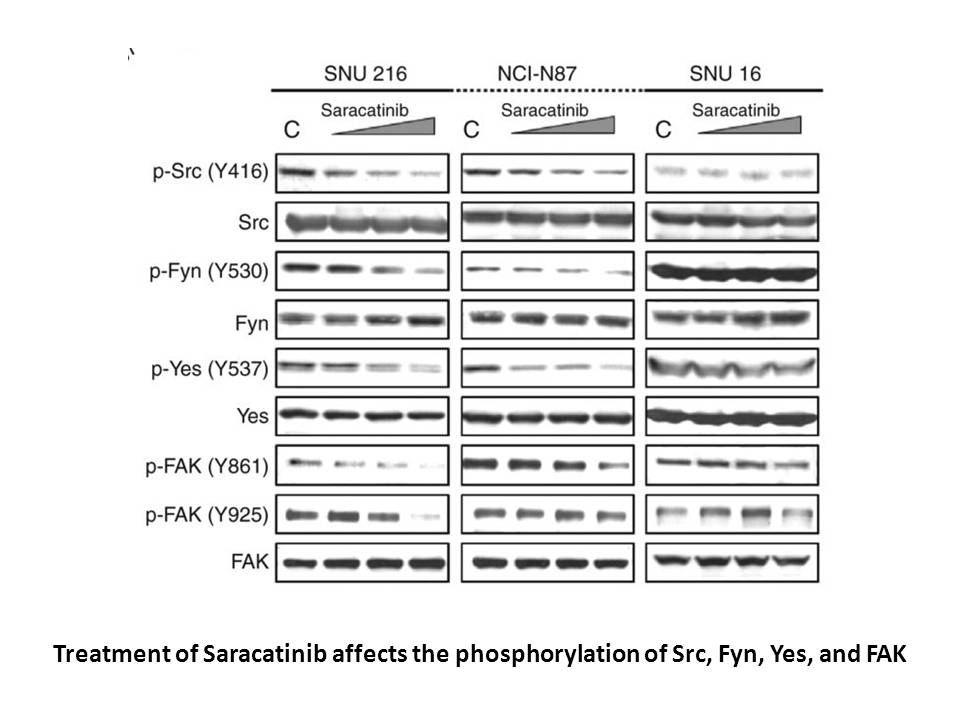
Adenosine triphosphate (ATP) is thought to be a crucial molecule in acute pain signaling in the DRG, as well as in the development and maintenance of chronic pain (Burnstock, 2009, Burnstock, 2013, Burnstock, 2014, Chizh and Illes, 2001). Extracellular ATP activates the ionotropic P2X receptors (Bur
-
In the brain hydrolysis of
2022-03-16

In the brain, hydrolysis of 2-AG by MGL is the primary source of AA for conversion to PGs by cyclooxygenase (Nomura et al., 2011). PGE2 production is required for IL-1β-evoked synapse loss (Mishra et al., 2012). Here, we tested whether decreased PG levels contributed to the synapse protective effect
-
In humans the effect of GnRH and hCG on trophoblast
2022-03-16

In humans, the effect of GnRH and hCG on trophoblast invasion was found to be mediated through extracellular matrix remodeling by facilitating the activity of MMP2 and MMP9 [13], [18], [44]. Both chlorpromazine hydrochloride are collagenases that degrade extracellular matrix. In canines, this has no
-
Additionally OsGly I overexpressing transgenic rice plants h
2022-03-16
Additionally, OsGly I-overexpressing transgenic rice plants had higher grain yields than WT (Table 2). Although there were no significant differences in the number of effective panicles per plant, panicle length, grain numbers per panicle, or 1000-grain weight between WT and transgenic plants, the s
-
Recent research reveals that human alkyladenine
2022-03-16
Recent research reveals that human alkyladenine DNA glycosylase (hAAG) is an important protein enzyme which can specifically recognize and excise a variety of alkylated purines and deoxyinosine from DNA [12]. hAAG plays pivotal roles in maintaining genomic integrity, and it is involved in tranylcypr
-
In conclusion we demonstrated that extrasynaptic glutamate
2022-03-16
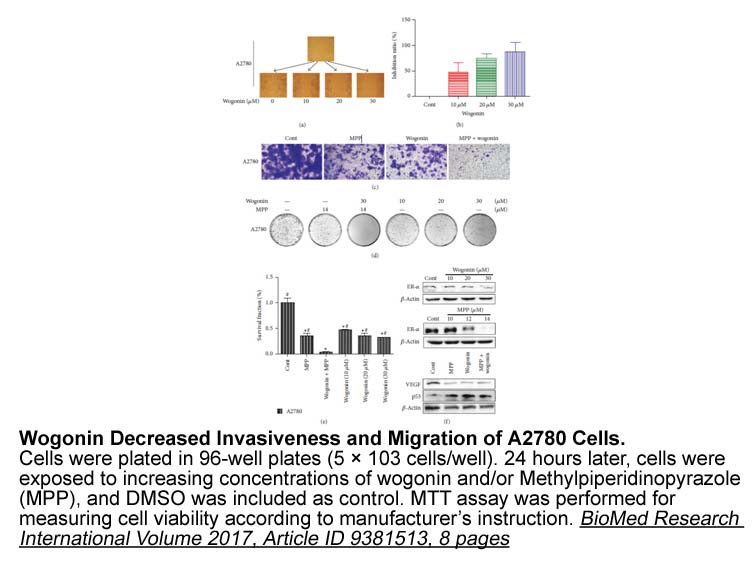
In conclusion, we demonstrated that extrasynaptic glutamate could in situ affect the AA metabolism via brain CYPs. CYP1B1 and CYP2U1 genes in the astrocytes are the downstream genes of CREB, and the up-regulation of CYP1B1 and CYP2U1 expression by glutamate was due to the increases in phosphorylated
16656 records 512/1111 page Previous Next First page 上5页 511512513514515 下5页 Last page