Archives
- 2026-08
- 2026-07
- 2026-06
- 2026-05
- 2026-04
- 2026-03
- 2026-02
- 2026-01
- 2025-12
- 2025-11
- 2025-10
- 2025-09
- 2025-03
- 2025-02
- 2025-01
- 2024-12
- 2024-11
- 2024-10
- 2024-09
- 2024-08
- 2024-07
- 2024-06
- 2024-05
- 2024-04
- 2024-03
- 2024-02
- 2024-01
- 2023-12
- 2023-11
- 2023-10
- 2023-09
- 2023-08
- 2023-07
- 2023-06
- 2023-05
- 2023-04
- 2023-03
- 2023-02
- 2023-01
- 2022-12
- 2022-11
- 2022-10
- 2022-09
- 2022-08
- 2022-07
- 2022-06
- 2022-05
- 2022-04
- 2022-03
- 2022-02
- 2022-01
- 2021-12
- 2021-11
- 2021-10
- 2021-09
- 2021-08
- 2021-07
- 2021-06
- 2021-05
- 2021-04
- 2021-03
- 2021-02
- 2021-01
- 2020-12
- 2020-11
- 2020-10
- 2020-09
- 2020-08
- 2020-07
- 2020-06
- 2020-05
- 2020-04
- 2020-03
- 2020-02
- 2020-01
- 2019-12
- 2019-11
- 2019-10
- 2019-09
- 2019-08
- 2019-07
- 2019-06
- 2019-05
- 2019-04
- 2018-11
- 2018-10
- 2018-07
-
Cell surface metalloproteases coordinate signaling during de
2025-02-05
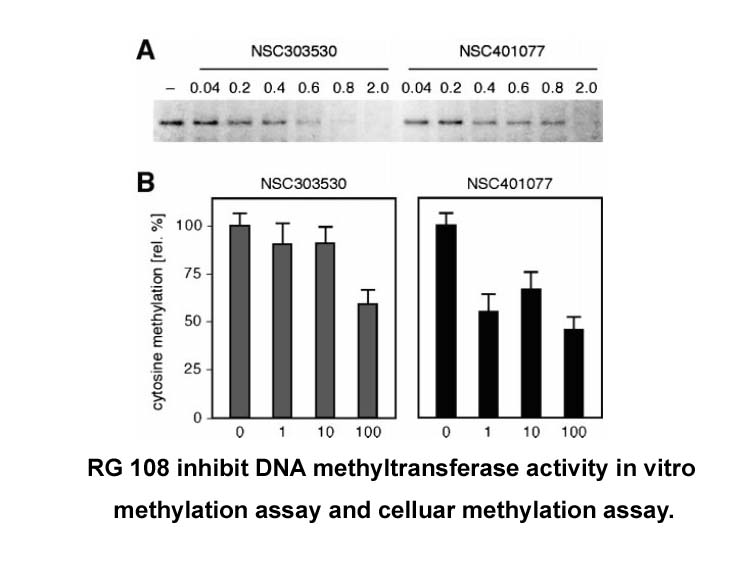
Cell surface metalloproteases coordinate signaling during development, tissue homeostasis, and disease. A disintegrin and metalloprotease 17 (ADAM17) is a well-characterized member among ADAM family, which mediates the cleavage of various cell surface proteins (Black, 2002, Black et al., 1997, Dello
-
br The lipoxygenase pathway and microvascular complications
2025-02-05
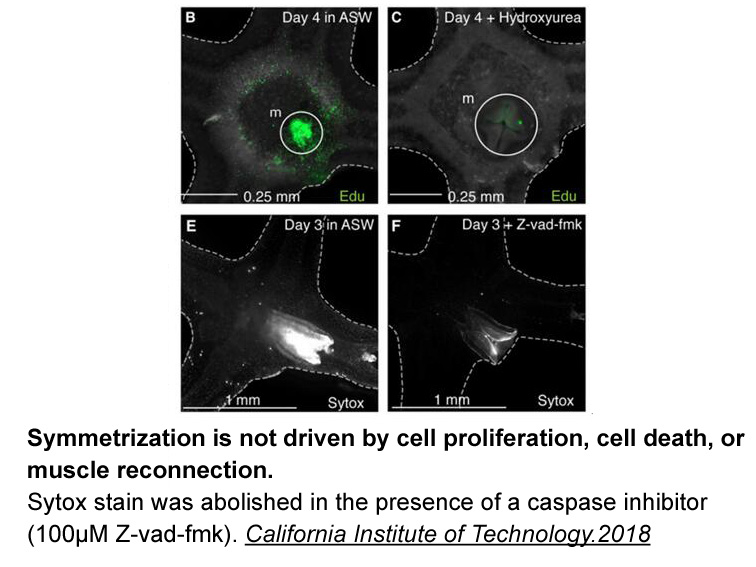
The 12/15-lipoxygenase pathway and microvascular complications of diabetes The 12/15-lipoxygenase pathway in adipose tissue Only recently has adipose tissue been recognized as a highly metabolically active endocrine organ imparting profound local and systemic inflammatory effects. Adipose tiss
-
It was also shown that
2025-02-05
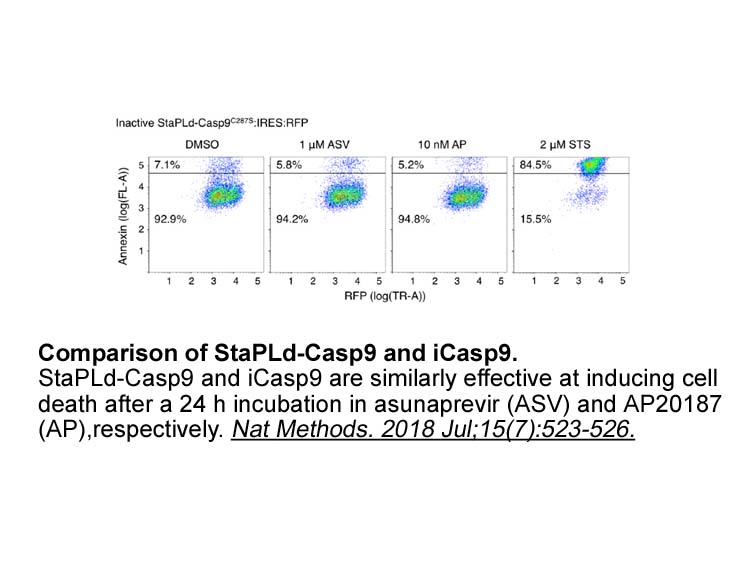
It was also shown that 15% of crizotinib resistance mechanisms can be due to an amplification of ALK gene while 30% are caused by a variety of secondary mutations (S1206Y, G1202R, L1196M, C1156Y, G1269A, L1152R, F1174L and 1151Tins) in ALK tyrosine kinase. These mutations can modify the conformation
-
br Difference between ACh and
2025-02-05
Difference between ACh and ER tests There are few reports concerning the provoked spasm between ER and ACh in the same patients [51], [52], [53]. Different mediators may have the potential of different coronary responses. In our experience, spasm provoked by intracoronary injection of ER is focal
-
The inhibition of the exacerbated inflammatory response
2025-02-05
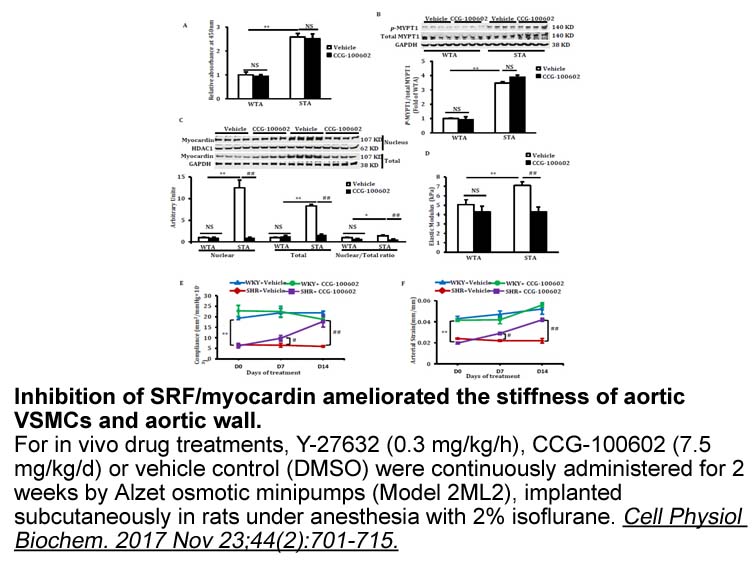
The inhibition of the exacerbated inflammatory response that follows injury may be an alternative approach to induce a more efficient repair [17,83]. In line with that, 5-LO is one of the most consolidated targets for dampening inflammation, mainly through the therapeutic effects of 5-LO inhibitors
-
A promising target that is involved in the
2025-02-05

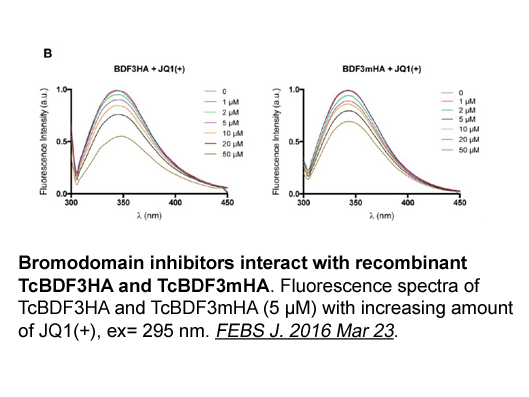
A promising target that is involved in the biosynthesis of the precursor LTA4 is the 5-LO-activating protein (FLAP), which in vivo is seemingly indispensable for LT formation [8], [9]. FLAP, a member of the MAPEG family (membrane-associated proteins in eicosanoid and glutathione metabolism), is an i
-
br Dysregulated aromatase expression the link between obesit
2025-02-03
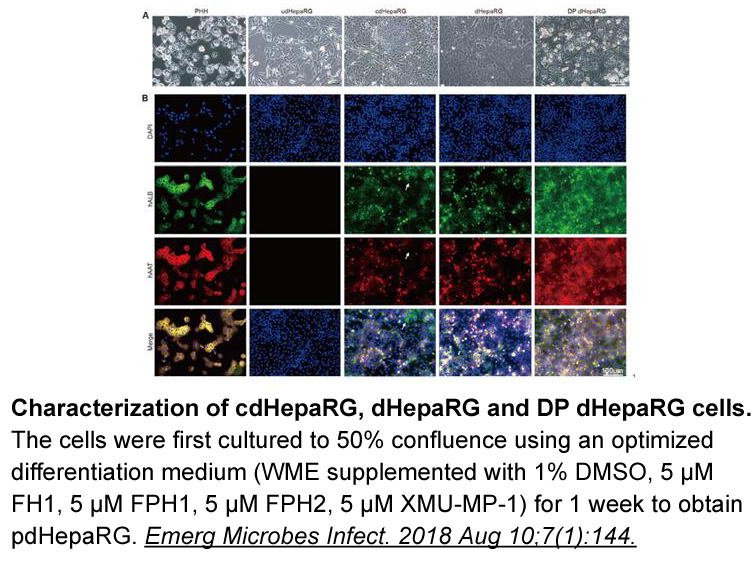
Dysregulated aromatase expression: the link between obesity and breast cancer Obesity has been associated with abnormally high expression of the enzyme aromatase in the breast, influencing the local production and bioavailability of estrogens (Morris et al, 2011, Subbaramaiah et al, 2012). Bowers
-
br Experimental procedures br Results br Discussion
2025-02-03
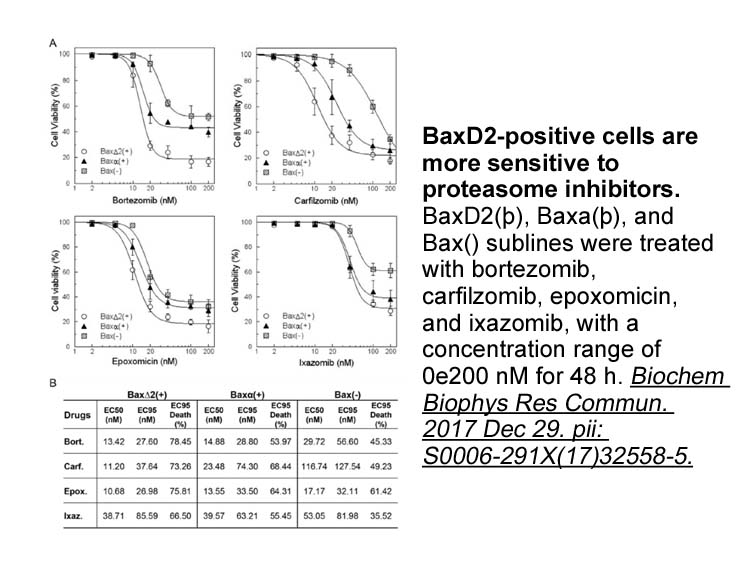
Experimental procedures Results Discussion Major depressive disorder is among the leading causes of disability worldwide (Vos et al., 2015). One of the major causal or exacerbating factors of depression is long term stress or psychological trauma (Liu and Alloy, 2010). Dysregulation of the
-
clemastine There are human genes in the SLC
2025-02-01
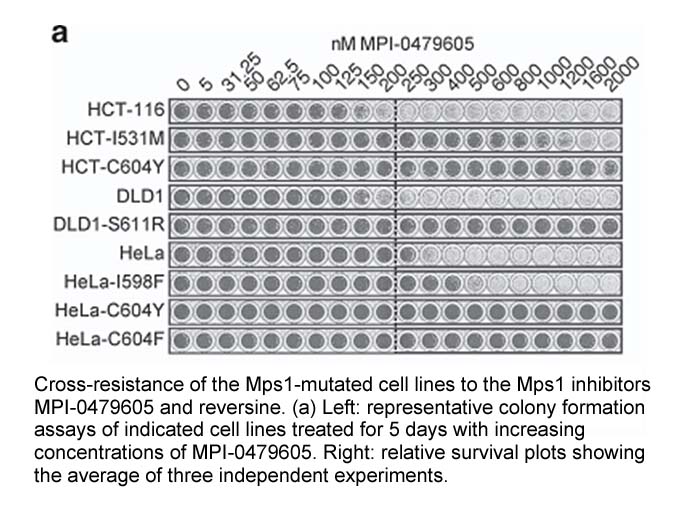
There are 12 human genes in the SLC5A family, and 6 of these are expressed in human heart (Table 2). Little is known about SGLT proteins in the heart. Zhou et al. [56] reported the presence of SGLT1 mRNA in the human heart. Researchers have found that levels of SGLT1 mRNA in heart are approximately
-
Lee et al have demonstrated
2025-02-01

Lee et al. have demonstrated that APPL1 associates with AdipoR1 in Hek293 gallamine mg where both proteins have been overexpressed with suitable tags [16]. In contrast to recent data the formation of this complex is not enhanced by exogenous adiponectin [16], [33]. Knock-down of APPL1 reduces the l
-
br Materials and methods br Results and discussions
2025-02-01
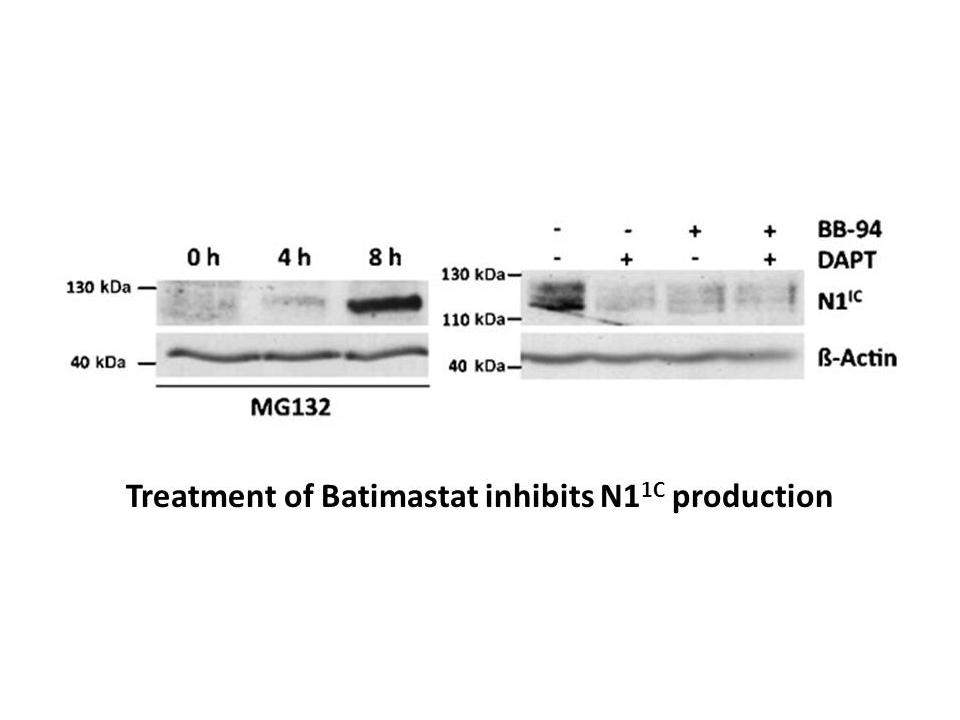
Materials and methods Results and discussions Conclusion Fermented camel milk with NS4 exhibited remarkable ACE-inhibitory activity, which revealed its potential application for the preparation of fermented camel milk beverage or fermented camel milk derived peptides in different foods or i
-
Eicosanoids are locally acting signaling lipids that are
2025-02-01
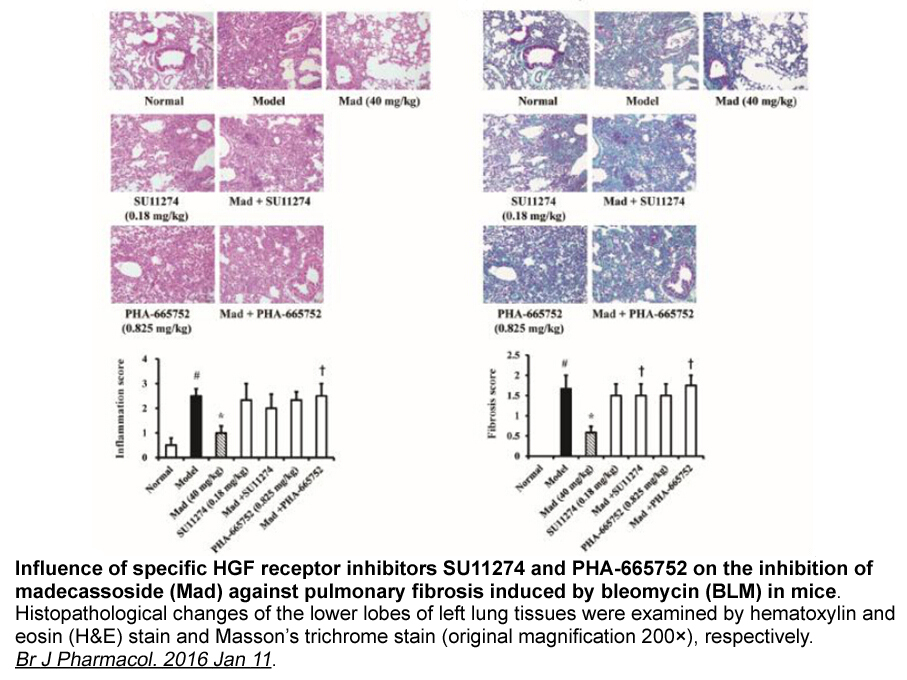
Eicosanoids are locally acting signaling lipids that are produced from C20 polyunsaturated fatty acids (PUFAs), including arachidonic XAP044 (AA, C20:4), eicosapentaenoic acid (C20:5) and eicosatrienoic acid (C20:3) (Dennis and Norris, 2015; Funk, 2001; Stables and Gilroy, 2011). According to their
-
Vortioxetine is a multimodal antidepressant that acts as an
2025-02-01
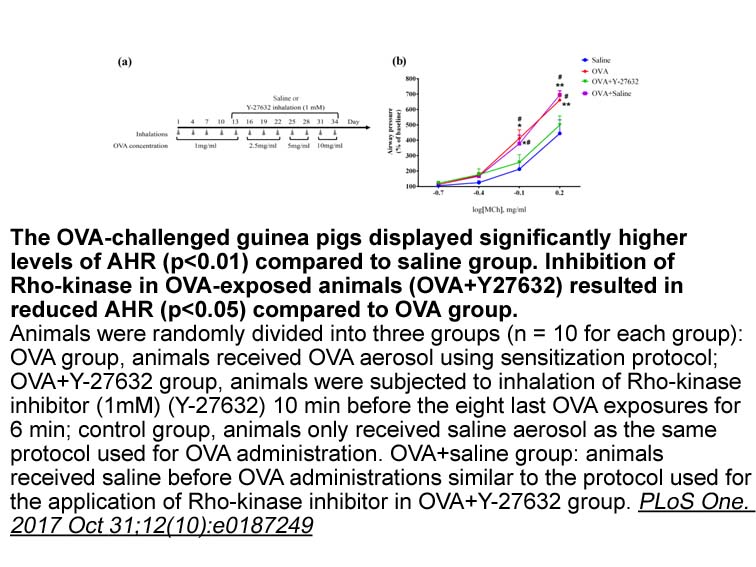
Vortioxetine is a multimodal antidepressant that acts as an inhibitor at the serotonin (5-HT) transporter (SERT), an agonist at 5-HT1A receptors, a partial agonist at 5-HT1B receptors, and an antagonist at 5-HT1D, 5-HT3 and 5-HT7 receptors (Bang-Andersen et al., 2011, Sanchez et al., 2015). Based on
-
cimetidine uses br Drugs with documented pro
2025-01-31

Drugs with documented pro-apoptotic effects on platelets More than 200 drugs are reported to cause thrombocytopenia [5,42]. The concept of platelet apoptosis is relatively new and was only recently evaluated in the context of drug-induced thrombocytopenia [43]. Table 2 lists the drugs presently k
-
irak inhibitor EPSP analogs were retrieved from PubChem data
2025-01-31
EPSP analogs were retrieved from PubChem database and docking procedure yielded about eight best binding analogs (Fig. 10). The selected molecules were further assessed for their theoretical Ki values using AUTODOCK software version 4. The predicted binding efficiency of retrieved analogs was estima
16660 records 48/1111 page Previous Next First page 上5页 4647484950 下5页 Last page