Archives
- 2026-08
- 2026-07
- 2026-06
- 2026-05
- 2026-04
- 2026-03
- 2026-02
- 2026-01
- 2025-12
- 2025-11
- 2025-10
- 2025-09
- 2025-03
- 2025-02
- 2025-01
- 2024-12
- 2024-11
- 2024-10
- 2024-09
- 2024-08
- 2024-07
- 2024-06
- 2024-05
- 2024-04
- 2024-03
- 2024-02
- 2024-01
- 2023-12
- 2023-11
- 2023-10
- 2023-09
- 2023-08
- 2023-07
- 2023-06
- 2023-05
- 2023-04
- 2023-03
- 2023-02
- 2023-01
- 2022-12
- 2022-11
- 2022-10
- 2022-09
- 2022-08
- 2022-07
- 2022-06
- 2022-05
- 2022-04
- 2022-03
- 2022-02
- 2022-01
- 2021-12
- 2021-11
- 2021-10
- 2021-09
- 2021-08
- 2021-07
- 2021-06
- 2021-05
- 2021-04
- 2021-03
- 2021-02
- 2021-01
- 2020-12
- 2020-11
- 2020-10
- 2020-09
- 2020-08
- 2020-07
- 2020-06
- 2020-05
- 2020-04
- 2020-03
- 2020-02
- 2020-01
- 2019-12
- 2019-11
- 2019-10
- 2019-09
- 2019-08
- 2019-07
- 2019-06
- 2019-05
- 2019-04
- 2018-11
- 2018-10
- 2018-07
-
Genetic observations from these studies suggest that GMF reg
2024-07-20

Genetic observations from these studies suggest that GMF regulates Arp2/3 complex and histamine-2 receptor antagonist dynamics in vivo13, 14. Budding yeast Gmf1 localizes to cortical actin patches, sites of endocytosis assembled by Arp2/3 13, 14. Furthermore, deletion of GMF1 exacerbates the growth
-
During myeloid cell maturation expression of
2024-07-20
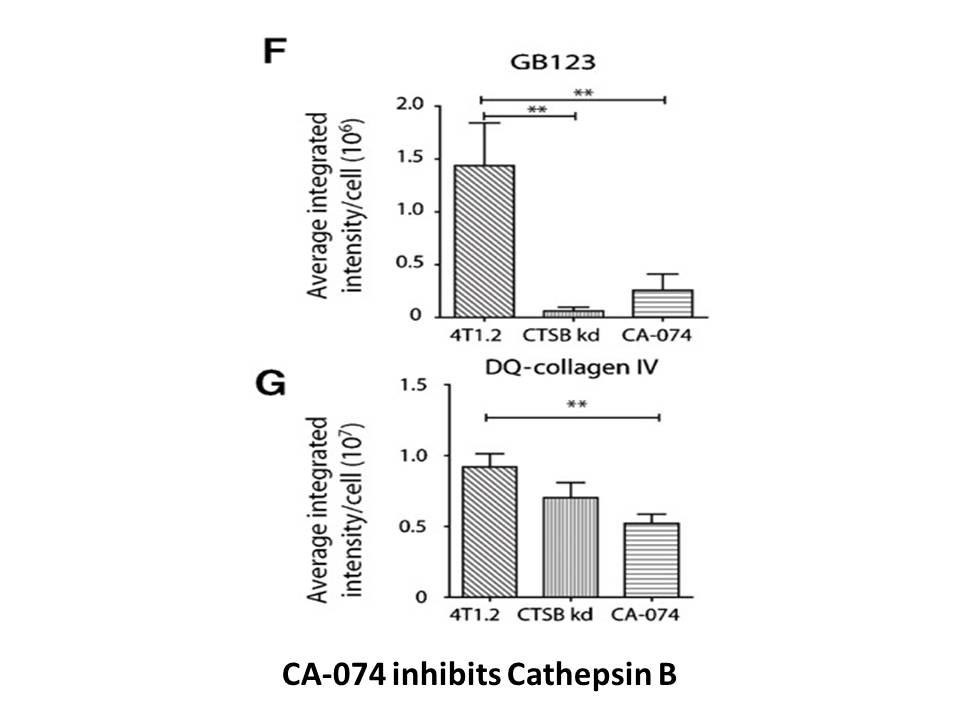
During myeloid cell maturation, expression of 5-LO mRNA and protein is strongly induced (60–130-fold) by calcitriol (1,25(OH)2D3) and transforming growth factor-β (TGFβ) [6,7]. The upregulation of 5-LO mRNA transcription is mainly due to transcript elongation and mRNA maturation [8,9]. Interestingly
-
It involves complementary and inflammatory
2024-07-20
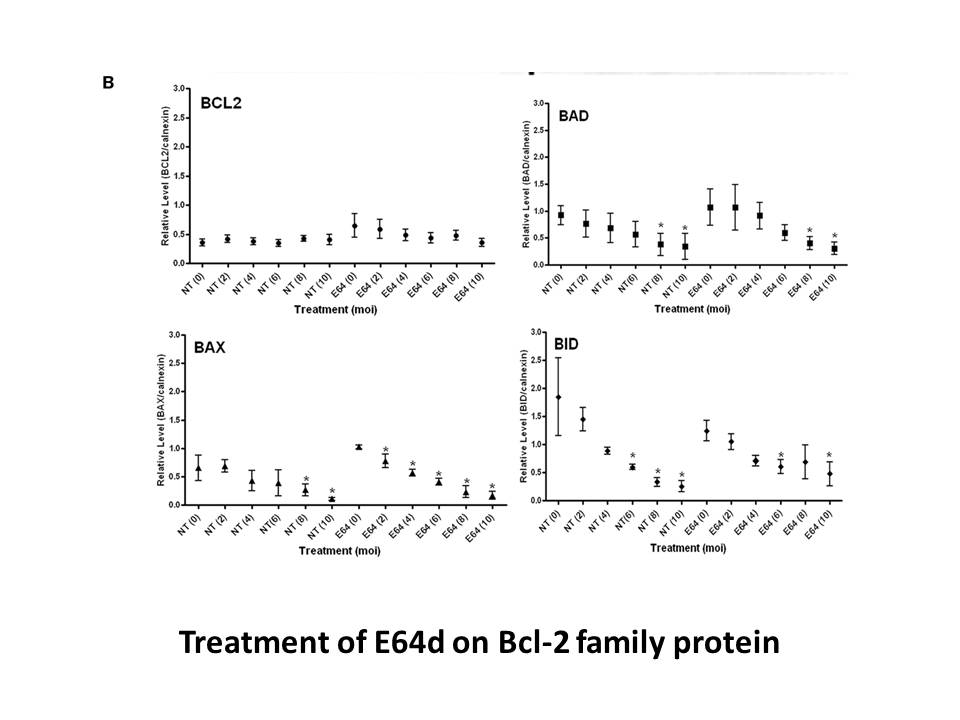
It involves complementary and inflammatory system proteins, mast cells, eosinophils, basophils, macrophages, natural killer (NK) cells and cytokines [1]. Innate immunity, not only include cells, but also barriers that defend the organism to the penetration of pathogenic agents [2]. Important mediat
-
br Introduction S http www apexbt
2024-07-20
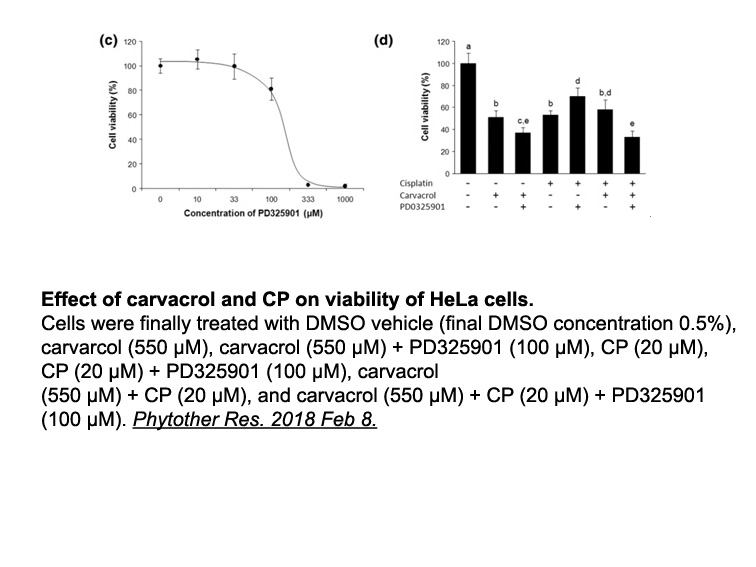
Introduction Systemic lupus erythematosus (SLE) is a group of systemic autoimmune disorders characterized by anti-nuclear AT-406 (ANA), rashes and photosensitivity, joint inflammation, nephritis, and other clinical criteria. SLE develops through the breakdown of three major checkpoints: adaptive
-
The present study indicates elevated
2024-07-20
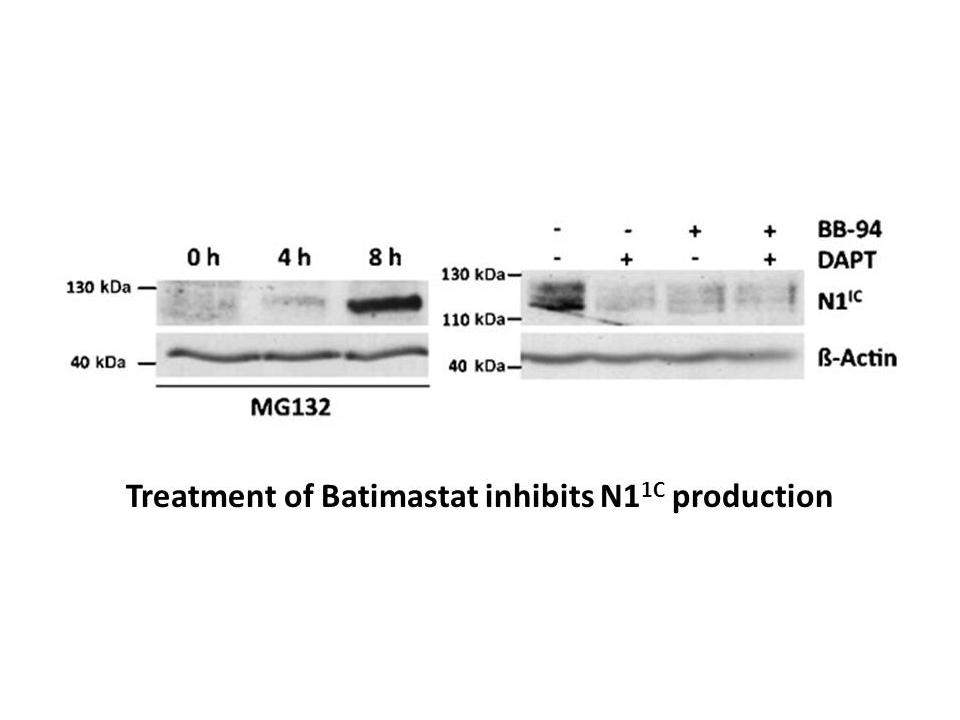
The present study indicates elevated ATX activity as a highly sensitive and specific biomarker to differentiate ICP from other pregnancy-related liver disorders or pruritic dermatoses. In EW-7197 to the current gold standard for diagnosis, total fasting serum bile salt levels, ATX appeared as a ver
-
br Autophagy in the central nervous system
2024-07-20
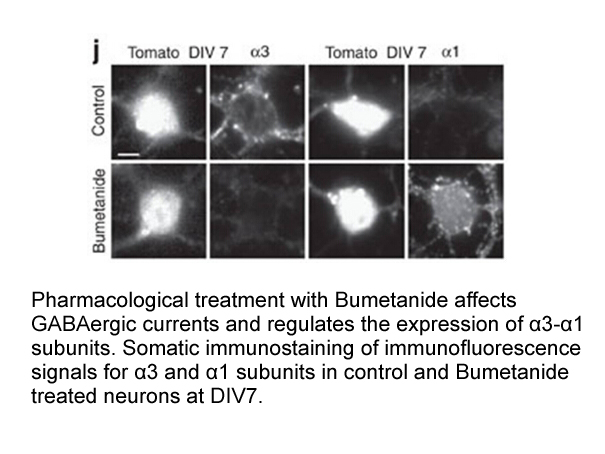
Autophagy in the central nervous system The autophagic process appears to be very important for the cells of the central nervous system, as it allows to maintain the functional integrity of the nervous tissue. Indeed macroautophagy is involved in the regulation of homeostasis of the CNS, playing
-
br Aurora A Aurora B
2024-07-20

Aurora-A, Aurora-B and Aurora-C small molecule inhibitors Nicholas et al. described phenotypic cellular screening of new highly potent and selective class of Aurora kinase inhibitors. Fragment based approach was utilized; core structure of 57 (Fig. 5) was optimized and selective inhibitor 58 (Fig
-
MMP-2 Inhibitor II mg br Introduction In addition to ATP pro
2024-07-20
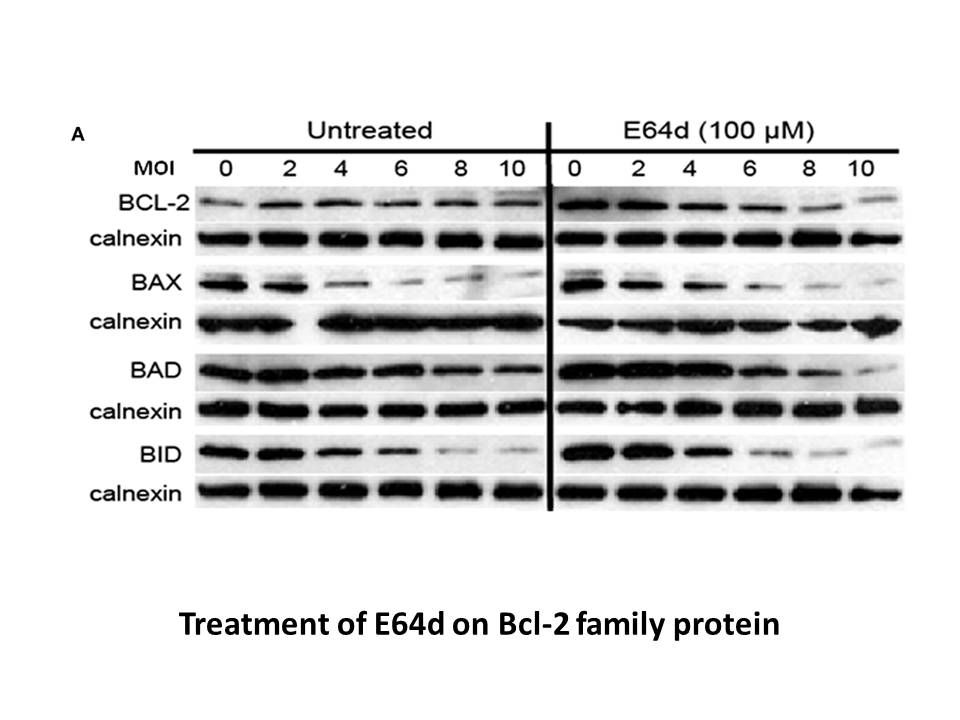
Introduction In addition to ATP production, an important role of mitochondria in the pancreatic beta cell is anaplerosis, which is the net synthesis of citric MMP-2 Inhibitor II mg cycle intermediates that are exported to the cytosol where they are converted to numerous other metabolites that st
-
We wanted to investigate the influence of substituents on th
2024-07-20
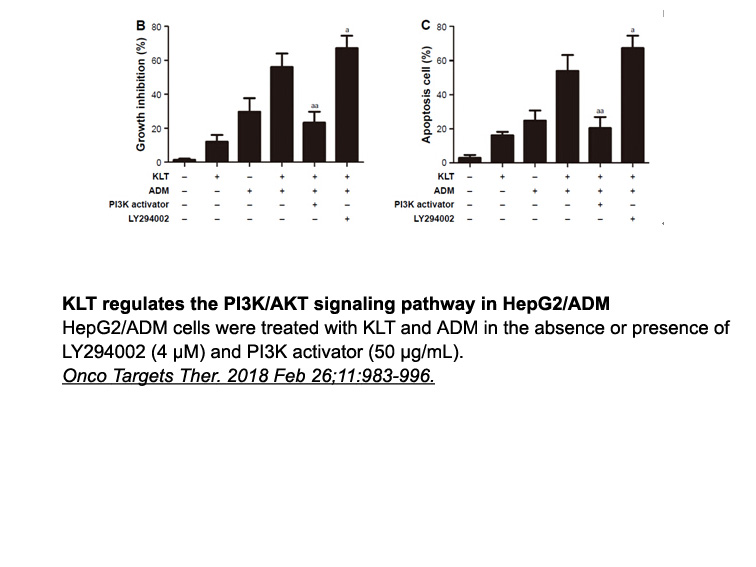
We wanted to investigate the influence of substituents on the pyrazole ring on the activity, but only a few substituted pyrazole-3-carboxylic acids/esters were commercially available in useful amounts at a reasonable price, for example, 4- and 5-nitro-pyrazole-3-carboxylic acid. The preparation of 4
-
br Transparency document br Acknowledgments This work has be
2024-07-20
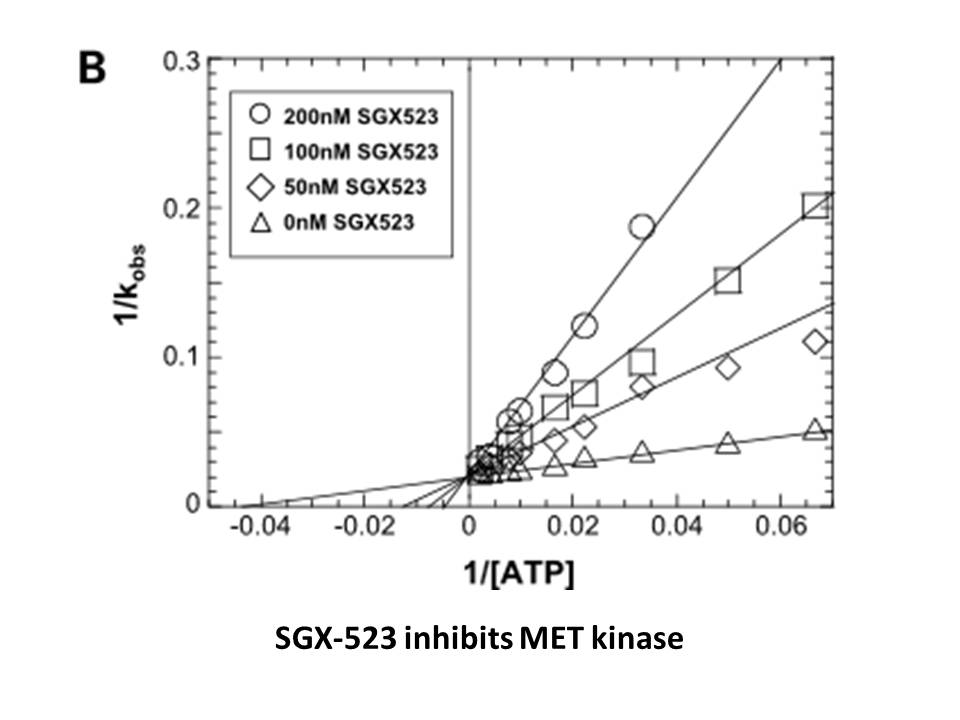
Transparency document Acknowledgments This work has been supported by the National Eye Institute (NIH) Grant 5R01EY023315-02 (MA). This study was also supported in part by National Center for Research Resources Grant S10RR027926 for the lipid analysis and by James and Jean Culver Vision Discov
-
Given the recent discovery of regions of single stranded
2024-07-20
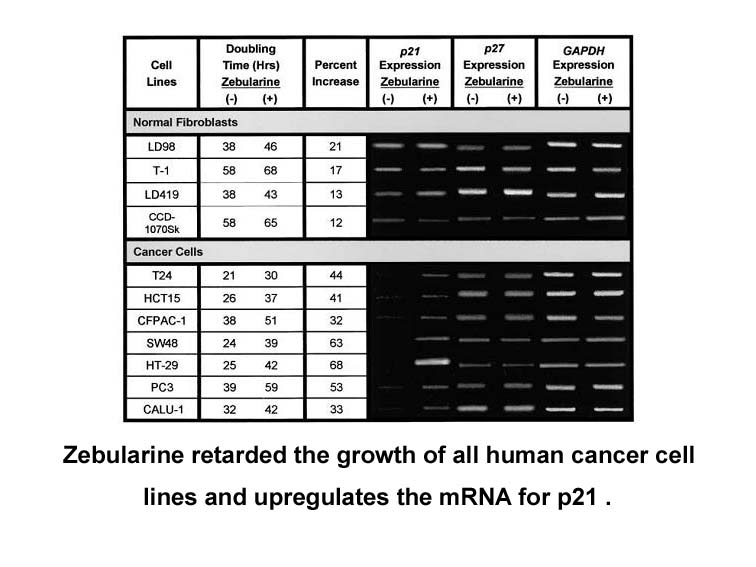
Given the recent discovery of regions of single-stranded DNA in the nuclei of hypoxic cells, the role for ATR in the response to hypoxic stress seems clearer . Zou and Elledge demonstrated that both Ddc 2 (the homolog of ATRIP) and ATRIP have a lower affinity for double-strand breaks than they do f
-
Arginase deficiency is a rare
2024-07-20
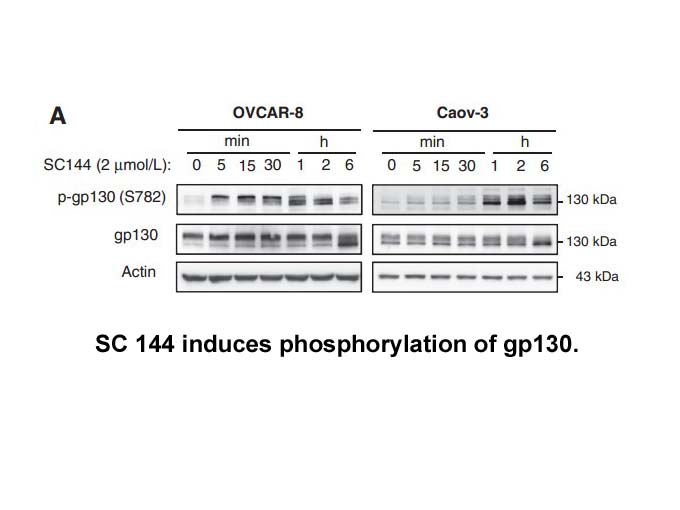
Arginase deficiency is a rare urea cycle disorder with hyperargininemia and profound neurological impairment as hallmark features. Arginase-1-deficient mouse models have been created, and they exhibit a profound lethal phenotype approximately 2 weeks after birth in the global knockout (KO) mice or a
-
br Materials and methods br Results br Discussion
2024-07-20
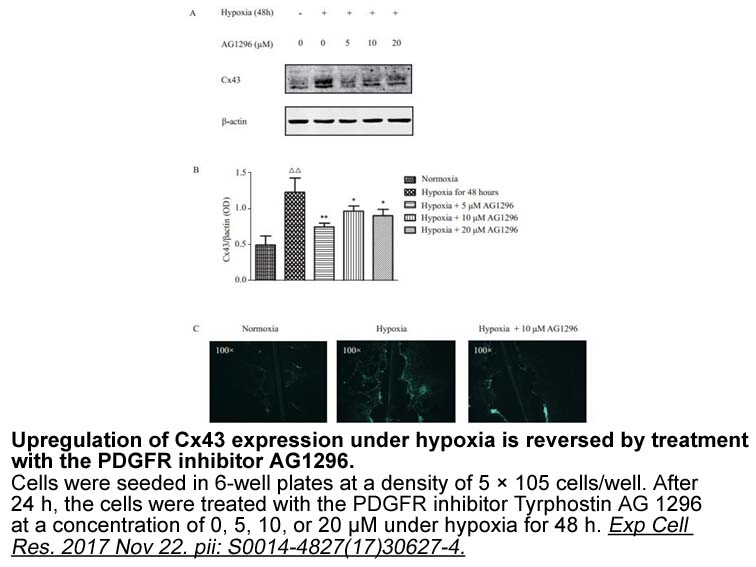
Materials and methods Results Discussion Pulmonary fibrosis is a progressive and chronic lung disease and its typical features include Natural Product Library proliferation, epithelial injury, chronic interstitial inflammation, increased extracellular matrix (ECM) production, and collapse
-
Protein blast analysis of the sequence of globin
2024-07-19

Protein blast analysis of the sequence of globin-B with those of other PP 3 mg suggests that the globin-B domain in the HemAC-Lm displays only 6% identity and 34% similarity with that of cytoglobin/neuroglobin (Fig. 2). Furthermore, SWISS-MODEL protein modeling also predicts that the His311 is the
-
Extracellular adenosine acts as a local modulator
2024-07-19
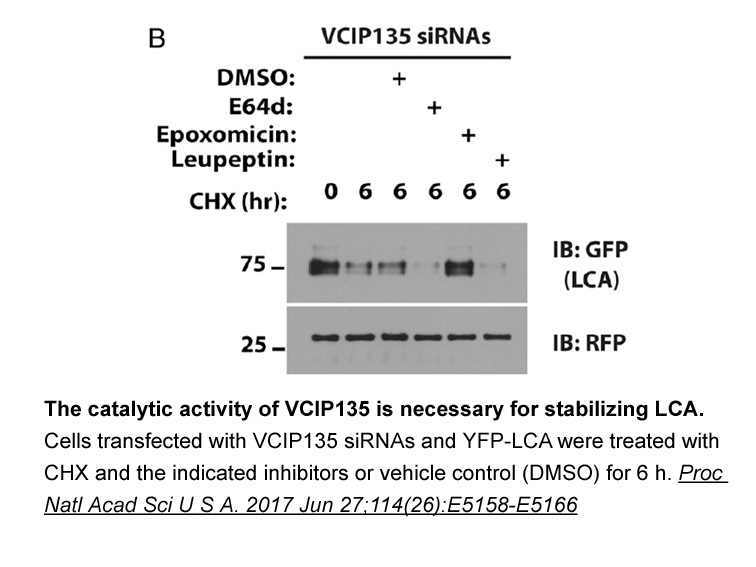
Extracellular adenosine acts as a local modulator of cell function via four adenosine receptor subtypes (A1Rs A2AR, A2BR, and A3R) that are involved in numerous physiological and pathophysiological processes [31]. Each is encoded by a separate gene and has different functions, although with some ov
16660 records 141/1111 page Previous Next First page 上5页 141142143144145 下5页 Last page