Archives
- 2026-08
- 2026-07
- 2026-06
- 2026-05
- 2026-04
- 2026-03
- 2026-02
- 2026-01
- 2025-12
- 2025-11
- 2025-10
- 2025-09
- 2025-03
- 2025-02
- 2025-01
- 2024-12
- 2024-11
- 2024-10
- 2024-09
- 2024-08
- 2024-07
- 2024-06
- 2024-05
- 2024-04
- 2024-03
- 2024-02
- 2024-01
- 2023-12
- 2023-11
- 2023-10
- 2023-09
- 2023-08
- 2023-07
- 2023-06
- 2023-05
- 2023-04
- 2023-03
- 2023-02
- 2023-01
- 2022-12
- 2022-11
- 2022-10
- 2022-09
- 2022-08
- 2022-07
- 2022-06
- 2022-05
- 2022-04
- 2022-03
- 2022-02
- 2022-01
- 2021-12
- 2021-11
- 2021-10
- 2021-09
- 2021-08
- 2021-07
- 2021-06
- 2021-05
- 2021-04
- 2021-03
- 2021-02
- 2021-01
- 2020-12
- 2020-11
- 2020-10
- 2020-09
- 2020-08
- 2020-07
- 2020-06
- 2020-05
- 2020-04
- 2020-03
- 2020-02
- 2020-01
- 2019-12
- 2019-11
- 2019-10
- 2019-09
- 2019-08
- 2019-07
- 2019-06
- 2019-05
- 2019-04
- 2018-11
- 2018-10
- 2018-07
-
br E E backside interaction The
2019-09-16
E3–E2 backside interaction The E2 possesses an important regulatory interface which is termed its backside as it is opposite to the catalytic cleft that bears the active-site cysteine forming the thioester with SUMOD. This backside site interacts noncovalently with a scaffold SUMOB and was origin
-
Azimilide pathway br Materials and methods br Results br Dis
2019-09-16
Materials and methods Results Discussion The incretin hormones potently stimulate insulin secretion, and it is generally assumed that this is mediated by an endocrine mechanism such that GIP and GLP-1 through the circulation reach the islet beta Azimilide pathway to stimulate their secreti
-
br Experimental Procedures br Author Contributions br Acknow
2019-09-16
Experimental Procedures Author Contributions Acknowledgments Research in the Davis laboratory was supported by grants 4R37NS019904, 5R01NS052351, and 1R35NS097224 from NINDS. Research in the Martemyanov laboratory was supported by grants DA036596 and DA026405 from NIDA, and MH105482 from NI
-
In astrocytes mitogen activated protein kinases
2019-09-16
In astrocytes, mitogen-activated protein kinases (MAPKs) are activated after OGD-induced ischemic injury (Yung and Tolkovsky, 2003, Niu et al., 2009) and they regulate induction of AQP expression (Arima et al., 2003, McCoy and Sontheimer, 2010). It is well known that MAPKs, including extracellular s
-
Since ET was discovered first
2019-09-12
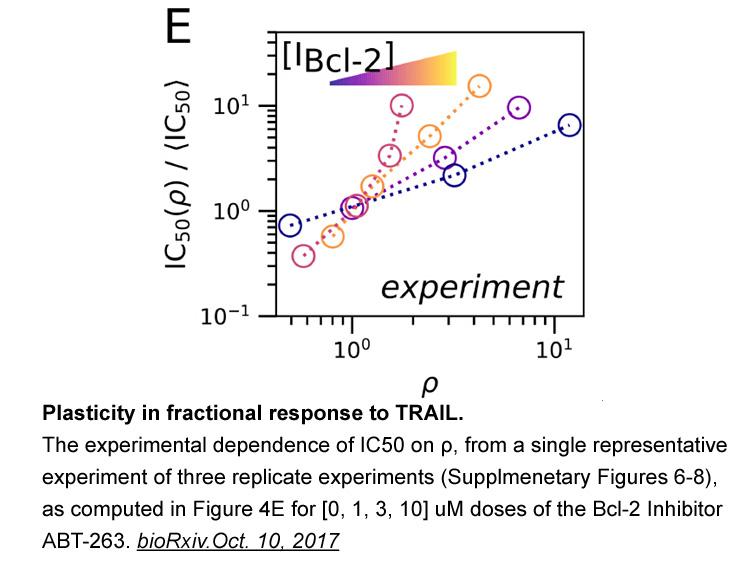
Since ET-1 was discovered first and showed a wide variety of actions not only on the cardiovascular system but also on various other tissues, much information has accumulated on ET-1 compared with the two other peptides. The method for measurement of ET-1 levels in plasma or various tissues by means
-
Herein the interactions of etamicastat nepicastat
2019-09-12

Herein, the interactions of etamicastat, nepicastat and zamicastat with P-gp and BCRP were evaluated. Although recent investigations have been performed to assess the involvement of P-gp in the Licofelone kinase exposure of nepicastat and etamicastat (Loureiro et al., 2015), the contribution of BCR
-
Organometallic compounds exhibited remarkable potential for
2019-09-12
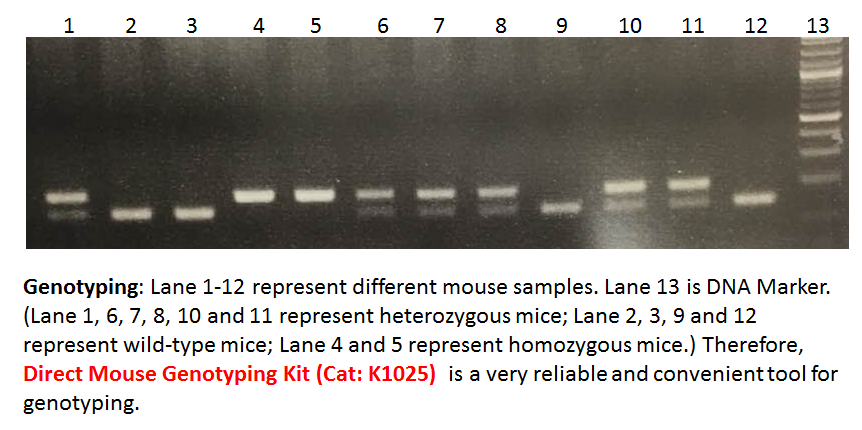
Organometallic compounds exhibited remarkable potential for the development of new cancer drugs not only due to the direct cytotoxicity but also to the drug targeting and active anticancer immune response ability [4]. Among the organometallic compounds, ferrocene is one of the most well-known compou
-
As for antiviral activity eight
2019-09-12
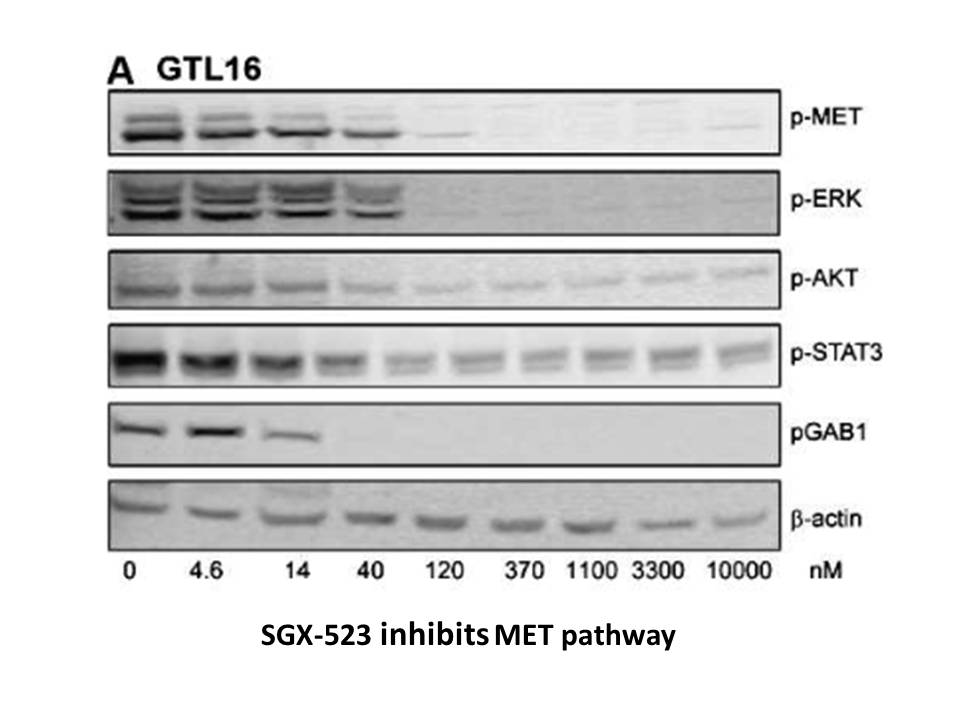
As for antiviral activity, eight out of 23 synthesized compounds were active against influenza B virus with EC50 values in the range of 0.19–39 μM. Four of the eight influenza B hits were active against influenza A and two were also active against RSV (4 and 6, EC50 = 0.40 and 1.8 μM, respectively).
-
Ligand independent constitutively active variants have also
2019-09-12
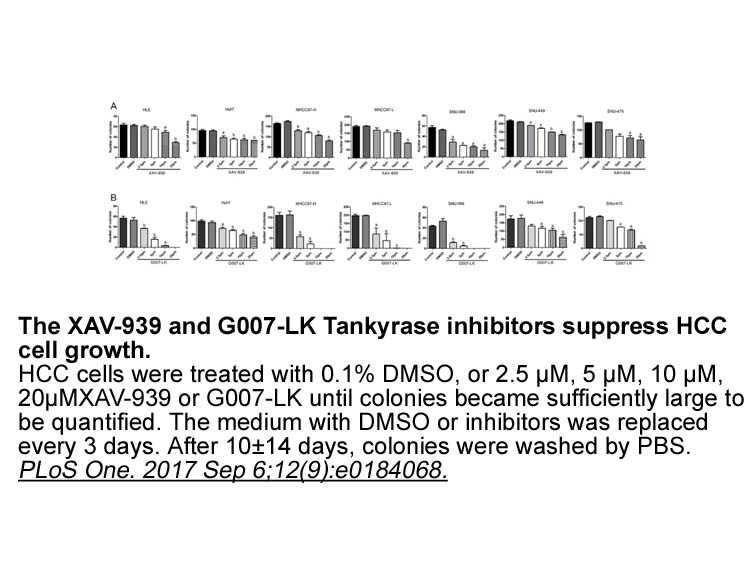
Ligand-independent, constitutively active variants have also been found in receptors with associated tyrosine kinases. In approximately 60% of patients harboring inflammatory hepatocellular adenomas (IHCAs), these adenomas have been caused by small in-frame deletions in the cytokine-binding domain o
-
It has been shown that CK
2019-09-12
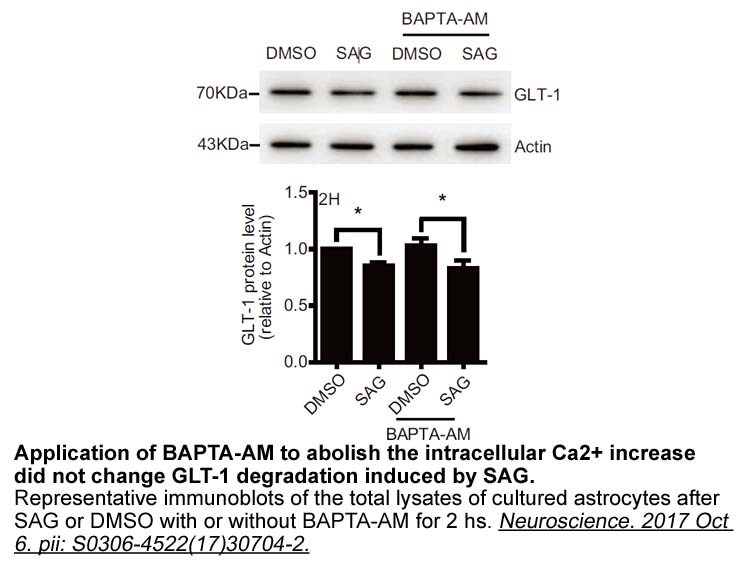
It has been shown that CK1δ phosphorylates α-, β- and γ-tubulin in vitro and that CK1δ specifically interacts with the trans Golgi network, COPI positive vesicles, and centrosomes in interphase cells [11], [12], [13], [14]. Moreover CK1δ is also associated with granular particles that are associated
-
The present study provides the first evidence that
2019-09-12
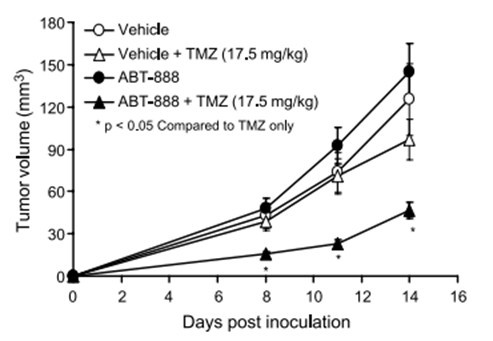
The present study provides the first evidence that the human uroepithelial AMG 487 in vitro respond directly, within 48h, to this carcinogen by promoting extensive vacuolation and DAPK expression. By using the TEM, ICC and Western blotting, we found that the arsenite-induced vacuoles were derived f
-
br Acknowledgements br Introduction Endothelial cells
2019-09-12
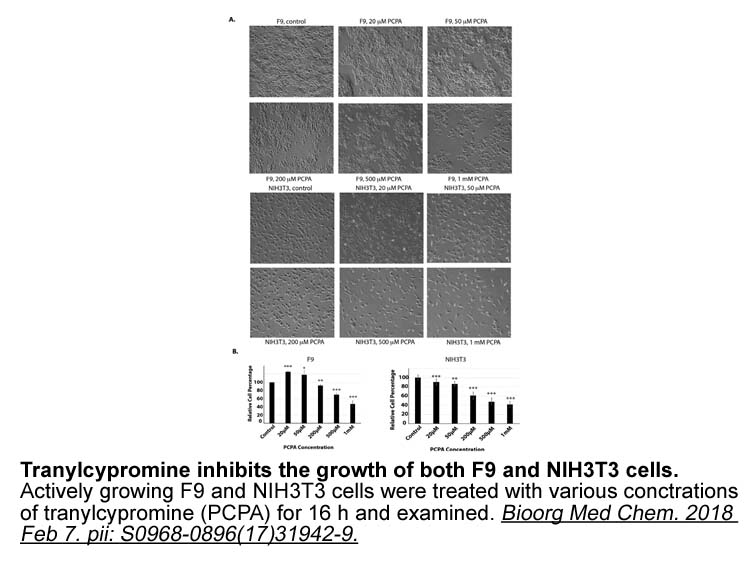
Acknowledgements Introduction Endothelial BAMB-4 constitute a unique source of humoral factors that may regulate the functions of other cell types via paracrine or endocrine pathways [1]. Among the many molecules originated from the endothelium, nitric oxide (NO) plays versatile roles in maint
-
Raltitrexed kinase We thank Dr Hongqiang Qin at Dalian Insti
2019-09-11
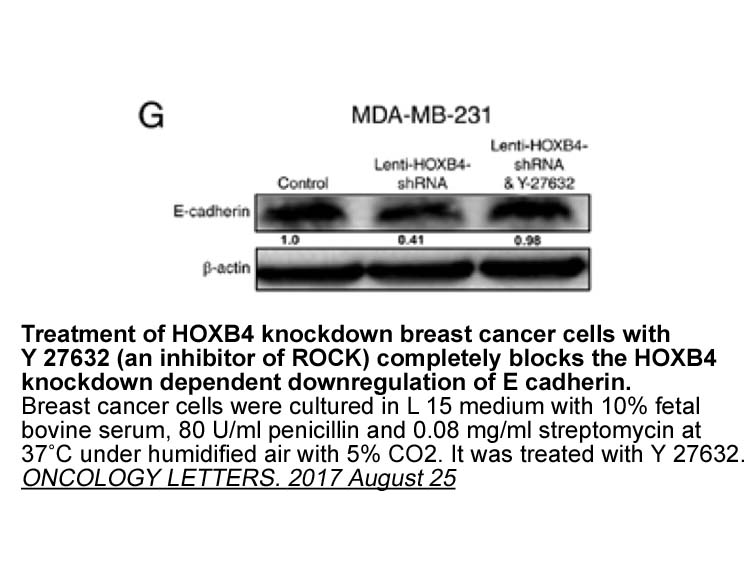
We thank Dr. Hongqiang Qin at Dalian Institute of Chemical Physics, Chinese Academy of Sciences for technical assistance in mass-spectrometric analysis. We thank Prof. Quentin Liu at Dalian Medical University and Prof. Qiang Shen at M.D. Anderson Cancer Center for helpful discussion and comments. Dr
-
Endothelial dysfunction has been associated with most
2019-09-11
Endothelial dysfunction has been associated with most of the established cardiovascular risk factors, such as hypercholesterolemia, hypertension, smoking, diabetes mellitus, a positive history of premature CAD and elevated Norfloxacin homocysteine 4, 26, 27. Endothelial dysfunction is present in th
-
br Effects of estrogens on bone Estrogens
2019-09-11

Effects of estrogens on bone Estrogens play an important role in bone remodeling, as demonstrated by studies in mice in which the ER genes were deleted [21], [22]. ERβ compensates for the orbifloxacin of ERα, and vice versa, but when both ERs are deleted a profound decrease in trabecular bone vol
16650 records 1006/1110 page Previous Next First page 上5页 10061007100810091010 下5页 Last page